
Table of Contents
ToggleHow a Luxury Arabic Clothing Store Went from Invisible to Page One in the UAE?
A Shopify store selling premium abayas and luxury Arabic clothing had every reason to perform well online. Strong products, a clear audience, a defined market. The UAE and Dubai represent one of the most affluent consumer bases in the world for this category.
But Google had almost none of their pages indexed. The traffic they were getting came from completely irrelevant keywords. And the UAE, their primary target market, was sending them virtually nothing.
This ecommerce SEO case study covers exactly what we found, what we fixed, and what changed over six months.
Project Overview
| Detail | Info |
|---|---|
| Platform | Shopify |
| Niche | Luxury Arabic Clothing (Abayas) |
| Target Market | UAE, Dubai |
| SEO Package | Ecommerce SEO + Local SEO |
| Duration | 6 Months |
The Problems We Found at the Start
Before writing a single piece of content or touching a single keyword, we audited the site. What came back was a clear picture of why the store was struggling.
The Problems We Found at the Start
The store had two versions: a primary English site and an Arabic subdomain. This is a smart structure in theory. In practice, the Arabic version was almost entirely populated with the same English content, making it a near-identical copy of the main site.
Google treats duplicate content as a trust signal problem. When it can’t determine which version of a page is authoritative, it often excludes both. That’s precisely what was happening here. The majority of the site’s pages were excluded from Google’s index entirely, meaning no amount of keyword targeting would move the needle.
Over 300 technical errors
The audit flagged more than 300 individual technical issues. Broken crawl paths, incorrect canonicals, missing or misconfigured hreflang tags, and structural issues that were slowing down how quickly Googlebot could process the site. For a Shopify store targeting a competitive market like luxury Arabic fashion in the UAE, this level of technical debt is significant.
Impressions from the wrong audience
The site was generating thousands of impressions in Google Search Console, which looked promising on the surface. But when we filtered by keyword relevance, most of those impressions came from broad, unrelated terms. Real buyers searching for abayas in Dubai weren’t finding the store. The CTR reflected this, remaining extremely low because the queries driving impressions had nothing to do with what the store actually sold.
The average ranking position stood at 48, which for most searches means page five or beyond.
The Strategy We Built
The approach had three distinct phases, and the sequence mattered as much as the tactics themselves.
Phase 1: Technical remediation
Everything else depends on this. There’s no value in optimizing content on pages Google won’t crawl, and no point targeting UAE-specific keywords on a site with a broken canonical structure.
We resolved all 300+ technical errors, bringing the website health score to 100. The URL canonicalization was rebuilt so each page had a single, clearly defined canonical URL. Hreflang tags were implemented correctly across both the English and Arabic versions of the site, giving Google the signals it needed to serve the right version to the right audience.
The site structure itself was simplified. A leaner, better-organized architecture means Google can crawl more pages with the same budget, and indexing happens faster.
Phase 2: Content separation and on-page optimization
With the technical foundation clean, we turned to the content itself.
The English and Arabic versions of the site needed to function as genuinely independent experiences. Native Arabic content was developed for the Arabic subdomain, targeted at users searching in Arabic in the UAE market. The English version was optimized for English-language search behavior in the same geography.
Across both versions, every product page, title tag, meta description, and H1 was reviewed and updated to align with how real buyers in UAE and Dubai search for premium Arabic clothing. Unnecessary pages, thin content, and redundant images were removed to keep the crawl focused on pages with actual value.
Phase 3: Local SEO alongside the organic work
The client operates a physical store, which gave us an additional visibility channel to work with. We fully optimized their Google Business Profile to align with the same targeting strategy used across the website.
Monthly articles were published to build topical relevance around Arabic fashion in the UAE, supporting both the local SEO presence and the broader organic strategy.
Results After Six Months
Every core metric moved in the right direction. No isolated wins; consistent improvement across organic search and local search simultaneously.
| Metric | Result |
|---|---|
| Impressions (relevant) | +72.7% |
| Clicks | +114.8% |
| CTR | +375% |
| Users | +104.3% |
| Sessions | +113.6% |
| GMB Interactions | +163.7% |
| GMB Views | +60.4% |
| GMB Searches | +133.6% |
| Average Position | 48 → 16 |
| Website Health Score | 100 |
The CTR improvement of 375% deserves specific attention. That figure reflects what happens when impressions shift from broad, irrelevant queries to targeted ones. When the right people see the site in search results, a far higher percentage of them click. The clicks more than doubled (+114.8%) even as the total impression count was being refined and filtered toward relevance.
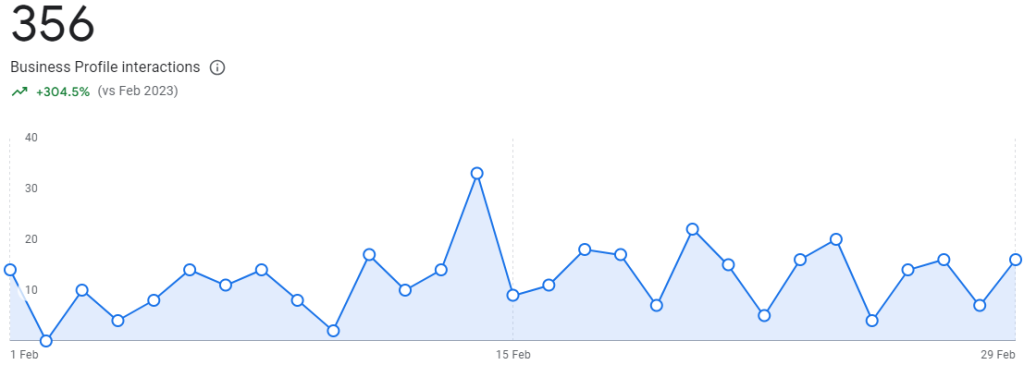
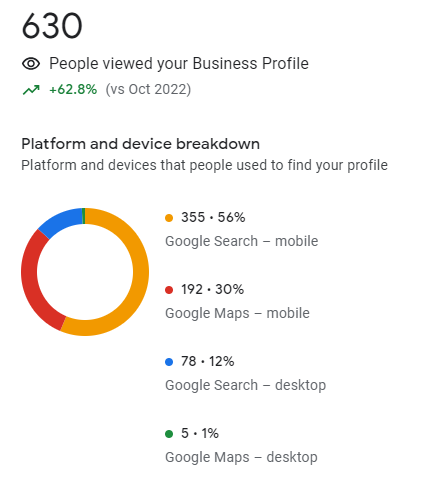
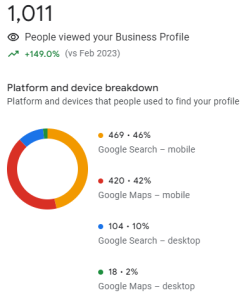
The GMB data tells its own story. Interactions up 163.7%, searches up 133.6%, views up 60.4%. The physical store became significantly more discoverable in local UAE searches, running in parallel with the website’s organic growth.
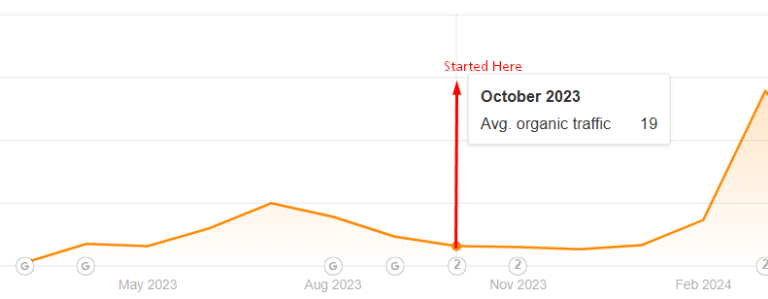
Local SEO

What This Case Study Actually Demonstrates About UAE Ecommerce SEO
The results here weren’t produced by finding a clever keyword opportunity or publishing a high-volume content calendar. They came from fixing what was broken first.
For ecommerce brands targeting specific countries or regions, especially a market as competitive as luxury fashion in the UAE, the technical and structural layer is where most of the value is locked. Duplicate content issues, broken hreflang configurations, and poor crawl architecture will suppress a site regardless of how strong the products are or how well-written the on-page content is.
The Arabic clothing store had the right products and the right audience. What it needed was a website that Google could trust, properly organized, cleanly structured, and clearly signaling who it was for and where.
That’s what a well-executed ecommerce SEO engagement actually delivers.
Frequently Asked Questions
How long does ecommerce SEO take to show results?
For most ecommerce stores, meaningful improvements in rankings and organic traffic typically begin showing between months three and six. This case study saw consistent metric improvements across all KPIs within a six-month period. The timeline varies depending on the site’s starting condition, the competitiveness of the niche, and how quickly technical issues are resolved. Stores with significant indexing problems or duplicate content issues, like this one, often see faster movement once those foundational issues are fixed.
Why was the Arabic clothing store not getting traffic from UAE?
The primary reason was a combination of duplicate content and incorrect hreflang implementation. The site’s Arabic subdomain was largely populated with English content, which caused Google to exclude most pages from its index. Without proper language and region signals in place, Google had no reliable way to serve the site to UAE-based searchers looking for luxury Arabic clothing. Once both issues were resolved, country-targeted traffic began building steadily.
What is the most important factor in ecommerce SEO?
Technical health comes first. No amount of keyword optimization or content creation will produce sustainable results on a site with serious crawlability issues, broken canonicals, or duplicate content problems. For ecommerce stores specifically, a clean site structure and correctly configured indexing signals are what allow all other SEO work to function. Content and on-page optimization matter significantly, but they depend on a solid technical foundation to deliver results.
Does Local SEO help ecommerce stores?
Yes, particularly for ecommerce brands that also operate a physical location. In this case, optimizing the Google Business Profile alongside the website’s organic strategy produced a 163.7% increase in GMB interactions and a 133.6% increase in local searches. For stores targeting a specific city or region like Dubai, local SEO and organic SEO reinforce each other. Both channels benefit from consistent targeting, aligned keywords, and a well-maintained online presence.
How does duplicate content affect SEO for multilingual websites?
Duplicate content on multilingual sites is one of the most common and damaging technical issues in international SEO. When two versions of a site share the same or very similar content in the same language, Google struggles to determine which version is authoritative. The usual outcome is that both versions are devalued or excluded from the index entirely. The fix requires separating the content genuinely, not just translating page titles, and implementing hreflang tags correctly so Google can serve each version to the appropriate audience.
About the Author

Ashan Kusalanka
SEO Consultant with 10+ years of experience helping local and global businesses strengthen their digital presence. I design strategies that improve visibility, build authority, and drive sustainable growth.