
Table of Contents
ToggleMost HR SaaS platforms don’t have an SEO problem. They have a foundation problem.
That’s exactly what this case study unpacks. An HR SaaS platform serving businesses across multiple regions had real market demand and a solid product, but the organic performance told a different story. Crawl errors were blocking indexation. Keyword targeting was pulling in irrelevant traffic. Content was aging. Geographic markets that mattered to the business had no SEO strategy behind them.
Within six months of a structured HR SaaS SEO strategy, organic KPIs improved by 20% across the board, covering clicks, impressions, sessions, average positions, new users, and keyword rankings.
What makes this result worth paying attention to is the context. There was no active link building during this period. No outreach campaigns, no guest posting, no link acquisition of any kind. The site had existing backlinks when the project started. Every KPI improvement came purely from fixing technical issues, cleaning up the backlink profile, restructuring content, and targeting the right keywords with the right intent.
This is a full breakdown of what was done and why each decision moved the needle.
Where the Site Actually Stood Before We Started
Before touching a single page, we ran a full audit. What came back wasn’t surprising, but it was significant.
Technical issues were widespread. Crawl errors were preventing search engines from properly indexing key pages. Core Web Vitals were inconsistent across devices. Metadata was either missing or written without any keyword intent behind it.
The keyword strategy had no structure and was pulling in the wrong audience. Multiple pages were competing for the same terms, a classic cannibalization problem. But the bigger issue was that poorly optimized keywords were generating large volumes of irrelevant impressions and clicks. The traffic numbers looked reasonable on the surface. The actual quality of that traffic was poor. Visitors were landing on pages that had nothing useful to offer them, and they were leaving. High-intent commercial keywords relevant to HR software buyers weren’t being targeted at all, while the site was ranking for terms that had no connection to what the platform actually does.
Content was aging badly. Several blog posts hadn’t been updated in years. Internal linking was almost nonexistent, meaning link equity had nowhere to flow. The URL structure was inconsistent, making it harder for both users and search engines to understand what each page was actually about.
The backlink profile had problems too. The existing backlinks weren’t all working in the site’s favor. A portion of them were low-quality or outright harmful links that had accumulated over time. Those were quietly dragging down the domain’s trust signals without anyone addressing them.
Geographic targeting was an afterthought. The platform serves businesses in several key markets, including the UAE, Philippines, and Sri Lanka. None of those regions had dedicated content or keyword strategies. Traffic from those markets was minimal despite genuine product demand.
None of these problems existed in isolation. They were compounding each other.
The Approach: Fix the Foundation First
We didn’t start with content. That’s a common mistake, refreshing articles before the technical layer is clean. Ranking signals don’t accumulate the way they should when crawlers can’t properly access and understand a site.
Technical SEO Cleanup
The first month was almost entirely under the hood.
We resolved crawl errors that were blocking index coverage, optimized page speed across critical entry points, cleaned up duplicate content issues that were diluting authority, and brought metadata in line with keyword intent for the top-priority pages.
Once search engines could crawl the site cleanly, everything else started to move faster.
Cleaning Up the Backlink Profile
While the project didn’t include any active link building, the existing backlink profile needed attention. Nearly 100 toxic and low-quality backlinks were identified and removed through a disavow and cleanup process.
These weren’t links that looked neutral. Many were from spammy directories, irrelevant foreign-language sites, and link networks that had no business associating with a professional HR software platform. Carrying that kind of profile while trying to improve rankings is like trying to run with weight tied to your ankles.
Removing them didn’t create a ranking spike on its own, but it cleared the path for the other improvements to work as they should. A clean backlink profile lets the domain’s legitimate authority signals come through without interference.
This cleanup also set a solid baseline before outreach efforts began later in the project timeline.
Restructuring the Site Architecture
A flat, disorganized site structure was making it hard for search engines to assign relevance hierarchies. We defined a clear page hierarchy, grouped related content into logical silos around core HR software topics, and simplified navigation so both users and crawlers could move through the site intuitively.
This step is often underestimated. A cleaner architecture means stronger topical authority signals, not just better UX.
URL Cleanup
URLs were a mix of inconsistent formats, unnecessary parameters, and missed keyword opportunities. We standardized the structure, stripped the clutter, and aligned each URL with its page’s primary intent.
Cleaner URLs contributed directly to improved click-through rates in search results, likely because they signal relevance at a glance before anyone even clicks.
Building an Internal Linking System
The site had almost no intentional internal linking. Pages were essentially isolated from each other in terms of authority flow.
We built contextual links between related pages, prioritized the most important landing pages as link destinations, and used anchor text that reflected actual search intent rather than generic phrases like “click here.”
Internal linking is one of the most underused tools in SEO. Done well, it helps search engines understand which pages matter most and improves discoverability for pages that weren’t being crawled regularly.
Content: Intent-First, Not Keyword-First
Once the technical foundation was solid, we moved to content. A big part of this phase was fixing the keyword relevance problem that was generating misleading traffic data from the start.
Keyword Optimization Across the Site
Before creating anything new, we went back through existing pages and cleaned up how keywords were being used. Pages were either targeting terms too broadly, mixing unrelated intent signals in the same content, or ranking for keywords that had no alignment with what the platform offers.
We tightened keyword targeting across all key pages, ensuring each page was optimized for terms that matched both the content and the audience it was meant to reach. The result was a drop in irrelevant impressions, which was expected and intentional. What replaced them were qualified search appearances from users who actually had a reason to be there.
This shift matters because inflated impressions and clicks from the wrong audience skew every downstream metric. Bounce rates, session duration, and conversion data all look worse than they should when the wrong people are arriving. Cleaning this up gave a clearer picture of real performance and improved the metrics that actually count.
Landing Page Rewrites
Existing landing pages were written for an audience that may have existed a few years ago. User intent had shifted. We rewrote the core pages based on what HR decision-makers and business owners are actually searching for today, improved heading structure, and made the content easier to read without dumbing it down.
The goal wasn’t just better rankings. It was better conversion potential from the traffic already coming in.
Targeting Commercial Keywords
The biggest gap was in high-intent, commercial-stage keywords. In the HR SaaS space, these are the terms searched by buyers who are actively evaluating software solutions, comparing features, or looking for tools to solve a specific HR challenge. None of those terms were being targeted.
We identified the highest-opportunity commercial keywords, created dedicated content for each, and ensured there was no overlap between pages competing for similar queries. Every page had clear keyword ownership. No cannibalization.
Refreshing and Pruning the Blog
Not every blog post is worth keeping. Some content was outdated enough that it was doing more harm than good to the site’s overall quality signals.
We refreshed the articles that had salvageable traffic or ranking potential, updated facts and examples, improved internal linking from those pages, and either removed or consolidated content that wasn’t pulling weight.
Less content, done properly, consistently outperforms a bloated archive of outdated posts.
Geographic SEO: Reaching the Right Markets
The HR platform had real traction in specific regions, but the SEO wasn’t reflecting that. Growing traffic from those markets required more than just translating content. Search behavior, terminology, and user expectations differ meaningfully between regions.
For the UAE, Philippines, and Sri Lanka, we created region-focused content that reflected local search intent around HR software needs. Keyword research was done separately for each market. The tone and examples within the content were adjusted to feel relevant to each audience, not like generic international copy adapted at the surface level.
Businesses in these regions search for HR solutions differently. Payroll compliance queries in the UAE look nothing like workforce management searches in the Philippines. Treating them as the same audience would have produced mediocre results at best.
The result was meaningful traffic growth from all three regions, with engagement metrics showing that users were actually finding content relevant to their specific context.
What Six Months of Structured SEO Work Delivered


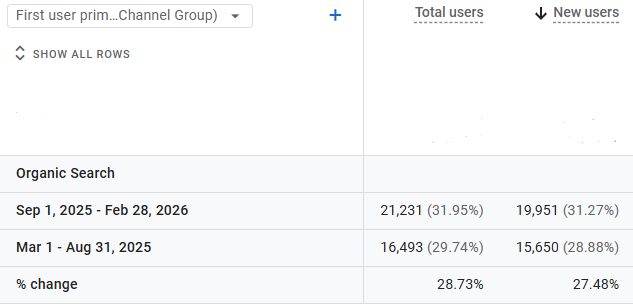
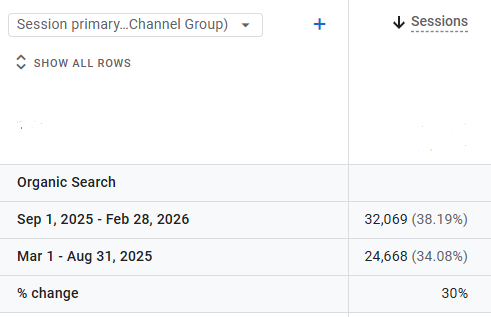
By the end of the six-month period, the HR SaaS platform had improved across every tracked metric, and all of it without running a single active link building campaign during this phase.
The 20% KPI improvement carries more weight when you consider what came before it. A chunk of the previous impressions and clicks were coming from poorly optimized keywords attracting the wrong audience entirely. The growth recorded here reflects better traffic, not just more of it.
- 20% increase in overall organic KPIs including clicks, impressions, sessions, and new users
- Improved average positions across commercial and informational keyword sets
- Higher-quality visitors from traffic tied to HR software buying intent
- Measurable keyword ranking growth across primary and regional terms
- Significant traffic improvement from UAE, Philippines, and Sri Lanka
- A cleaner backlink profile with nearly 100 toxic links removed
- Reduction in irrelevant impressions and clicks through precise keyword optimization
- A site structure built to scale without creating new SEO problems
Results: Before and After SEO Optimizations
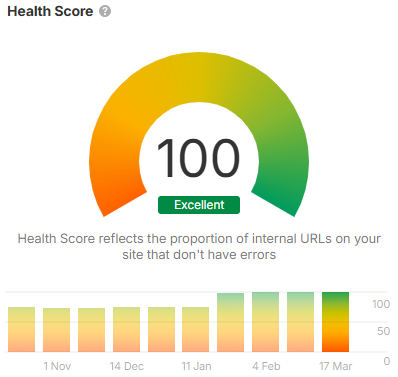
Health Status - Before
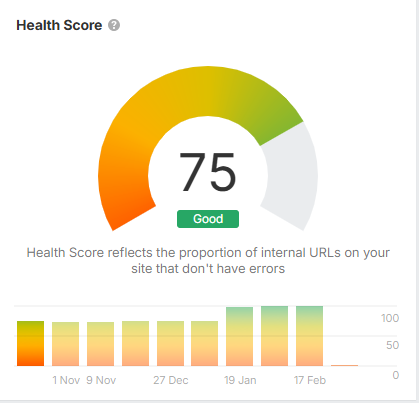
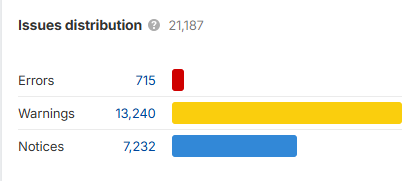
Health Status - After

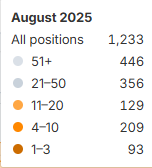
Keywords - Before
Before optimizing for relevant and high-value commercial keywords, keyword rankings were lower and less effective.

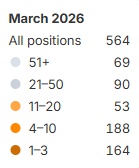
Keywords - After
After optimizing for relevant and high-value commercial keywords, we saw a clear improvement in keyword rankings.

The gains weren’t the result of any single tactic. They came from fixing a broken foundation, cleaning up what was quietly hurting the site, and targeting the right keywords with the right intent, consistently, over time
What This Project Reinforced
Technical SEO isn’t optional or secondary. If search engines can’t crawl and understand a site properly, no amount of content will compensate for it.
A toxic backlink profile quietly suppresses rankings even when everything else is improving. Cleaning it up isn’t glamorous work, but it matters more than most teams realize.
Keyword strategy without structure creates competition between your own pages and pulls in audiences that were never going to convert. Assigning clear keyword ownership and optimizing for the right intent prevents both problems simultaneously.
Internal linking is one of the highest-ROI tasks in SEO. Most sites ignore it until it’s already a problem.
Content should be built around what users are actually searching for at different stages of their journey, not just around volume numbers. For a SaaS platform, that means understanding the difference between someone researching HR trends and someone actively looking for a software solution.
Geographic targeting requires genuine localization effort. Region-specific content that reflects local search behavior and buyer context will always outperform generic content.
And perhaps the clearest takeaway from this project: when the fundamentals are right, you don’t need to rely on aggressive link acquisition to move the needle. Organic growth becomes predictable when the site itself is built to earn it.
Frequently Asked Questions
How long does HR SaaS SEO take to show results?
Most SaaS SEO strategies begin showing measurable results within 3 to 6 months. The timeline depends heavily on the starting condition of the site. A platform with existing technical issues, poor keyword structure, and unoptimized content will see slower initial movement, but once those fundamentals are corrected, ranking improvements tend to accelerate. In this case, meaningful KPI gains were visible within the six-month window purely through on-page and technical work, with no active link building.
Can an HR software website rank without link building?
Yes, and this case study is a direct example of that. All KPI improvements, including clicks, impressions, sessions, average positions, new users, and keyword rankings, were achieved without running any link acquisition campaigns. The existing backlink profile was cleaned up rather than expanded. That said, link building becomes increasingly important for competitive keywords over time. Organic rankings from technical and content work alone have a ceiling. A healthy backlink profile helps push past it.
What are the most important SEO fixes for an HR SaaS platform?
Based on this project, the highest-impact areas were technical SEO cleanup, keyword cannibalization fixes, and eliminating irrelevant keyword targeting that was inflating traffic numbers without driving qualified visitors. Internal linking and landing page rewrites around commercial intent also contributed significantly. Geographic targeting was a separate but equally impactful layer for platforms serving multiple regions.
Why does keyword cannibalization hurt HR software SEO?
When multiple pages on the same site compete for the same keyword, search engines struggle to decide which page deserves to rank. The result is that neither page ranks as well as it should. For HR SaaS platforms with feature pages, use-case pages, and blog content all covering similar topics, this is a common and damaging issue. Fixing it means assigning clear keyword ownership to each page and ensuring the content on each page reflects a distinct intent.
How does geographic SEO work for HR software targeting multiple regions?
Search behavior differs meaningfully between markets. HR professionals in the UAE search for different things than those in the Philippines or Sri Lanka, even when they’re looking for similar solutions. Effective geographic SEO means conducting separate keyword research for each target market, creating region-specific content that reflects local compliance needs and HR terminology, and adjusting the tone and examples to feel relevant to that audience rather than generic. Key technical requirements include hreflang tags to signal language and regional targeting to search engines, ensuring the correct version of content is served to users in different regions.
What KPIs should an HR SaaS company track for SEO performance?
The most useful metrics to track are organic clicks, impressions, average position, new users from organic search, and keyword ranking movements across both informational and commercial terms. Session quality metrics like bounce rate and time on page matter too, especially if previous keyword targeting was pulling in irrelevant visitors. Tracking these separately by region also helps when geographic SEO is part of the strategy, as regional traffic improvements can be masked inside aggregate data.
About the Author

Ashan Kusalanka
SEO Consultant with 10+ years of experience helping local and global businesses strengthen their digital presence. I design strategies that improve visibility, build authority, and drive sustainable growth.